XG
xihan guo
Yunnan Normal University
Kunming, China
2,412
Total downloads
10k
Total views and downloads
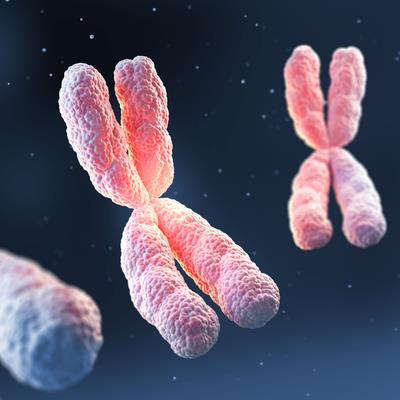
Telomeres, the protective caps at the ends of chromosomes, have emerged as critical biomarkers and regulators of aging and age-associated diseases. Telomeres shorten with each cell division and, when critically short, can trigger cellular senescence or apoptosis, contributing to tissue dysfunction and organismal aging. Understanding the molecular mechanisms that govern telomere dynamics and their role in the aging process is essential for developing novel therapeutic strategies aimed at promoting healthy aging and preventing age-related diseases. This Research Topic aims to delve into the intricate relationship between telomere dynamics and aging from a genomics perspective.
We invite contributions that explore a wide range of themes, including but not limited to:
1. The molecular mechanisms involved in telomere maintenance and their regulation by genetic and epigenetic factors.
2. The impact of telomere length and integrity on cellular senescence, tissue function, and overall organismal aging.
3. Genomic studies that identify genetic variants influencing telomere biology and their association with age-related diseases such as cancer, cardiovascular diseases, and neurodegenerative disorders.
4. The role of telomerase and other telomere-associated proteins in aging and age-related pathologies.
5. Innovative methodologies for measuring and manipulating telomeres in various biological systems.
6. The potential of telomere-based interventions and therapeutics to mitigate aging and extend healthspan.
By bringing together cutting-edge research from diverse fields such as genomics, molecular biology, and clinical studies, this Research Topic aims to provide a comprehensive understanding of how telomeres influence aging processes and the development of age-associated conditions. Our goal is to foster collaboration and inspire novel insights that can pave the way for future translational approaches targeting telomere biology for healthier aging.
We welcome original research articles, reviews, and perspectives that contribute to this evolving field, highlighting the genetic and genomic underpinnings of telomere function and their broader implications for human health and disease.
Keywords: telomere dynamics, genomic stability, cellular senescence, telomere activity, age-related diseases
Important note: All contributions to this Research Topic must be within the scope of the section and journal to which they are submitted, as defined in their mission statements. Frontiers reserves the right to guide an out-of-scope manuscript to a more suitable section or journal at any stage of peer review.
