AA
amir ali khoddamzadeh
Florida International University
Miami, United States
8,729
Total downloads
39k
Total views and downloads
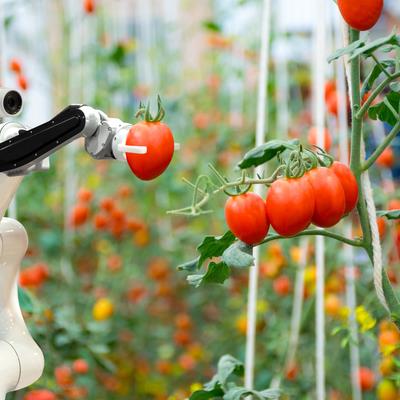
Precision agriculture, a modern farming and nursery approach, integrates technology with agricultural practices to optimize productivity, sustainability, and profitability. This methodology employs various technologies, including handheld non-destructive optical sensor technology, remote sensing, GPS, and data analytics, to tailor agricultural practices to specific field conditions. By precisely managing inputs such as fertilizers and irrigation, farmers can enhance crop yields, minimize resource wastage, and reduce environmental impacts. In recent years, precision agriculture has gained traction, particularly in specialty crop cultivation. Specialty crops, including fruits, vegetables, and high-value cash crops, require precise management due to their unique growth characteristics and market demands. However, optimizing fertilizer and irrigation management for these crops presents challenges, as they often have diverse nutrient requirements and susceptibility to water stress. The problem at hand is twofold: inefficient and often overuse of resources such as fertilizer and water, leading to economic losses and environmental degradation, and the need for precise monitoring and intervention strategies to maximize crop yield and quality. Traditional farming methods often lack the precision required to address these challenges, resulting in suboptimal outcomes. To achieve this goal, we aim to leverage recent advances in precision agriculture and remote sensing techniques. High-resolution satellite imagery, drones equipped with multispectral cameras, and ground-based sensors offer unprecedented capabilities to monitor crop health, soil moisture levels, and nutrient status in real-time. Machine learning algorithms can process vast amounts of data to generate actionable insights and decision-support systems for farmers.
This research topic aims to harness advancements in precision agriculture and remote sensing technologies to optimize fertilizer and irrigation management for specialty crops. Specialty crops, characterized by their high value and susceptibility to environmental stressors, present unique challenges in agricultural management. The goal is to address the inefficiencies and overuse of resources such as fertilizers and water, which lead to economic losses and environmental degradation, by developing precise monitoring and intervention strategies. Specific questions include how to best utilize remote sensing and data analytics to monitor crop health and soil conditions, and how to integrate machine learning algorithms to enhance decision-making processes for farmers.
To gather further insights in optimizing fertilizer and irrigation management for specialty crops, we welcome articles addressing, but not limited to, the following themes:
- Exploration of novel remote sensing methods to evaluate crop health and nutrient levels
- Advancements in precision irrigation systems customized for specialty crops
- Integration of machine learning algorithms for enhanced data analysis and decision-making processes
- Case studies illustrating successful implementations of precision agriculture practices
- Economic and environmental implications associated with optimized fertilizer and irrigation management strategies
- Innovation in measurement, application, release, type, and use of nutrients employing optical sensors
- Utilization of soil sensors and soil moisture sensors for real-time nitrogen and moisture monitoring
- Assessment of climate change impacts on fertilizer management practices
This interdisciplinary platform welcomes original research articles, comprehensive reviews, and insightful case studies, aiming to propel knowledge and innovation within the realm of precision agriculture tailored for specialty crop production.
Keywords: precision agriculture, remote sensing, irrigation management, specialty crops
Important note: All contributions to this Research Topic must be within the scope of the section and journal to which they are submitted, as defined in their mission statements. Frontiers reserves the right to guide an out-of-scope manuscript to a more suitable section or journal at any stage of peer review.
