AF
anca flavia savulescu
University of Cape Town
Cape Town, South Africa
3,339
Total downloads
6,876
Total views and downloads
Allergic diseases, including allergic rhinitis, atopic dermatitis, and asthma, are highly prevalent in both children and adults. These conditions are generally caused by allergen-induced aberrant immune responses and may also share genetic risks associated with the expression of specific variants in lung and epithelial tissues, as well as blood cells. During these aberrant immune responses, the development of memory T and B cell responses, as well as IgE production, occurs, followed by functional changes related to epithelial cells and barriers, tissue inflammation, and remodeling. Recent studies have highlighted the importance of understanding the molecular mechanisms underlying these disorders at the single-cell level, as population-level studies might mask phenomena occurring in specific cells. Advances in single-cell experimental technologies, such as genomics, transcriptomics, proteomics, and imaging, along with computational methods to analyze the vast amounts of data, have opened new avenues for research. However, there is still a need for more comprehensive studies to fully elucidate the cellular and molecular heterogeneity in allergic diseases.
This research topic aims to explore the molecular mechanisms and cellular responses in allergic diseases at the single-cell level. The main objectives include characterizing the variability in molecular pathways, morphology, and functionality of distinct cell subsets within implicated tissues. Specific questions to be addressed include: What are the molecular mechanisms driving aberrant immune responses in allergic diseases? How do these mechanisms vary at the single-cell level? What are the functional implications of these variations in terms of disease progression and treatment responses? Hypotheses to be tested include the role of specific genetic variants and cellular heterogeneity in the pathophysiology of allergic diseases.
To gather further insights into the single-cell level mechanisms in allergic diseases, we welcome articles addressing, but not limited to, the following themes:
- Single-cell level transcriptomic, genomic, and/or proteomic studies to characterize molecular mechanisms and cellular responses in allergic diseases.
- Functional implications of aberrant molecular mechanisms in cells involved in immune responses in allergic diseases, as characterized by single-cell level approaches.
- Single-cell level studies aimed at measuring variability in drug sensitivity and immunotherapies in allergic diseases.
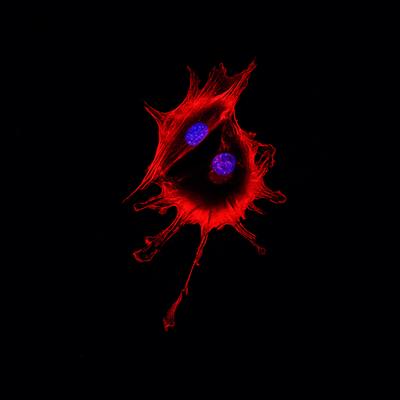
Keywords: single-cell level, asthma, allergic diseases, single-cell technologies, RNA-seq
Important note: All contributions to this Research Topic must be within the scope of the section and journal to which they are submitted, as defined in their mission statements. Frontiers reserves the right to guide an out-of-scope manuscript to a more suitable section or journal at any stage of peer review.
