JZ
jiannan zhang (张剑南)
Sichuan University
Chengdu, China
4,691
Total downloads
25k
Total views and downloads
Submit your idea
Select the journal/section where you want your idea to be submitted:
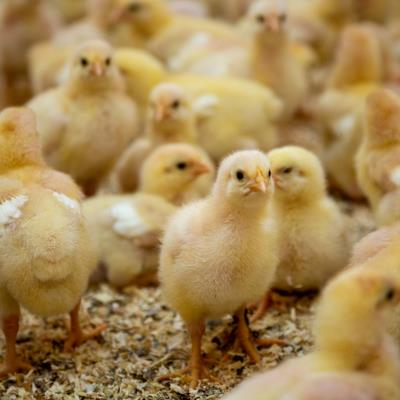
Animal husbandry is the branch of agriculture concerned with poultry and livestock that are raised for meat, fiber, milk, or other products. Poultry involves the raising of birds like chickens, ducks, quails, and turkeys, while livestock involves the raising of mammals like pigs, cows, sheep, and goats. Both poultry and livestock are also used as laboratory research models for the study of developmental biology, immunology, virology, cancer, and cell biology. In recent years, the development of CRISPR/Cas9-based genome editing (GE) tools has revolutionized the field, making genome modification in animal farming (poultry and livestock) easier and more efficient. The ongoing improvements in genome modification tools help to refine the production traits, health, and welfare of domestic animals, generate more refined animal models of human disease, produce pharmaceutical proteins, and study gene function. It may also raise some concerns on feed safety and its regulatory approval.
CRISPR/Cas9 and its related technologies have shown remarkable advancements in animal husbandry. However, important challenges for these GE technologies in poultry and livestock still lie ahead. For example, a major disadvantage is the low transfection efficiency of avian cells and the low germ-line transmission efficiency of less than 15% for bird species. Another key challenge will focus on the identification of genome-editing targets, which will require a combination of high-quality annotated animal genomes, well-powered genome-wide association studies, and large-scale CRISPR-based functional screens in animals. Finally, yet importantly, it needs to scale down or abolish barriers such as the difficulties of gaining regulatory approval and the public perception and acceptability of CRISPR technology in the production of food animals. The future applications of genome editing technology in poultry and livestock can provide enormous benefits to animal husbandry to produce healthier and more productive farmed animals.
This Research Topic encourages the submissions of articles that focus on the following topics, but are not limited to:
•Enhancing the efficiency of genome editing in poultry and livestock
•Wide application of genome engineering platforms in poultry and livestock
•Model animals developed by genome editing to elucidate gene function or disease resistance mechanisms
•Development of sterile animals as surrogate hosts to improve germline transfer efficiency
•Policy and regulations discussion on genome editing in poultry and livestock
•Safety and regulations
This Research Topic accepts the following article types, unless otherwise specified in the Research Topic description:
Articles that are accepted for publication by our external editors following rigorous peer review incur a publishing fee charged to Authors, institutions, or funders.
Keywords: CRISPR; Genome Editing; Poultry; Livestock
Important note: All contributions to this Research Topic must be within the scope of the section and journal to which they are submitted, as defined in their mission statements. Frontiers reserves the right to guide an out-of-scope manuscript to a more suitable section or journal at any stage of peer review.

Manuscripts can be submitted to this Research Topic via the main journal or any other participating journal.
Submit your idea
Select the journal/section where you want your idea to be submitted: