A(
assunta (susy) liberti
Department of Biology and Evolution of Marine Organisms, Zoological Station Anton Dohrn
Naples, Italy
1,809
Total downloads
10k
Total views and downloads
Immunity is generally understood as a combination of cellular and acellular processes that protect animals from infections and external threats. However, it also plays a crucial role in integrating external signals, often from microorganisms, to maintain homeostasis and facilitate survival. The development and maturation of immune tissues, along with the diversification of cell phenotypes, are frequently influenced by microbial exposures. Despite this, research on secreted or soluble immune effectors has predominantly focused on their role in neutralizing pathogens that breach epithelial or mucosal barriers. There is a significant gap in our understanding of how these secreted immune effectors impact the ecology of complex microbial communities, such as mucosal-associated microbiomes, which are essential for shaping host physiology. A deeper understanding of how these effectors influence polymicrobial interactions, pathobiont decision-making, and host perception of colonizing microbiota is crucial for advancing our knowledge of homeostasis and disease. As the interdependent relationships between animals and microbes continue to evolve, it is imperative to explore the broader functions of immunity, including its role in managing symbiotic interactions that shape host physiological processes and homeostasis.
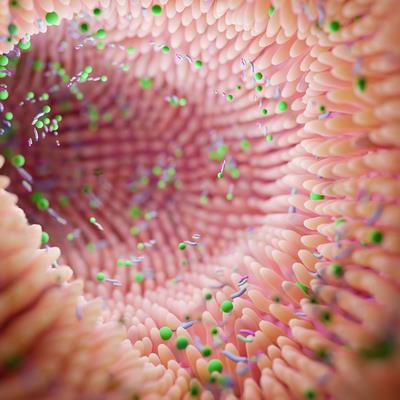
This research topic aims to stimulate new perspectives and expand knowledge on the importance of secreted immune effectors in shaping the biophysics and ecology of luminal spaces, particularly the complex symbiotic crosstalk between host and microbiota. The primary objectives include understanding how these effectors influence microbial settlement dynamics, biofilm formation, and other biological properties of microbes. Additionally, the research will explore how these effectors impact the colonization and composition of different body compartments, especially following perturbations by external factors such as pollutants and environmental changes. By addressing these questions, the research aims to provide a comprehensive understanding of the multifaceted roles of secreted immune effectors in maintaining homeostasis and influencing disease outcomes.
To gather further insights into the boundaries of this research, we welcome Original Research, Reviews, Mini-Reviews, Methods, Perspectives, and Hypothesis and Theory articles addressing, but not limited to, the following themes:
- Influence on settlement dynamics, formation of biofilms, aggregates, and microcolonies.
- Impact on other biological properties of microbes, including epigenetics, phage activation, and immunity.
- Effects on colonization and composition of different body compartments.
- Influence on colonization and composition following perturbation by external factors such as pollutants and physical environmental changes.
- Shaping of metabolite production and release that can impact host physiology and immunity.
- Influence on pathobiont decisions, potentially leading to pathogenicity and altered immune responsiveness.
While studies on established model systems are welcome, we highly encourage submissions from emerging model organisms to highlight common, conserved, or derived features of these interactions. We also welcome submissions featuring both in silico and functional approaches, with a preference for those that connect computational models to experimental data.
Keywords: Host-microbes interaction, mucosal immunity, innate immunity, secreted immune effectors, microbiota, biofilm, microbial colonization, model organism, emerging model system
Important note: All contributions to this Research Topic must be within the scope of the section and journal to which they are submitted, as defined in their mission statements. Frontiers reserves the right to guide an out-of-scope manuscript to a more suitable section or journal at any stage of peer review.
